
Live Streaming 8-4-25

Saint Lamont is a visionary who believes in the brand of Saint Lamont. He has an album out there, google Saint Lamont to find it. He has a 2nd album coming out in the fall of 2025, titled Broken Life Style. This fall he has a new wolf logo coming out and an Art Show in October.


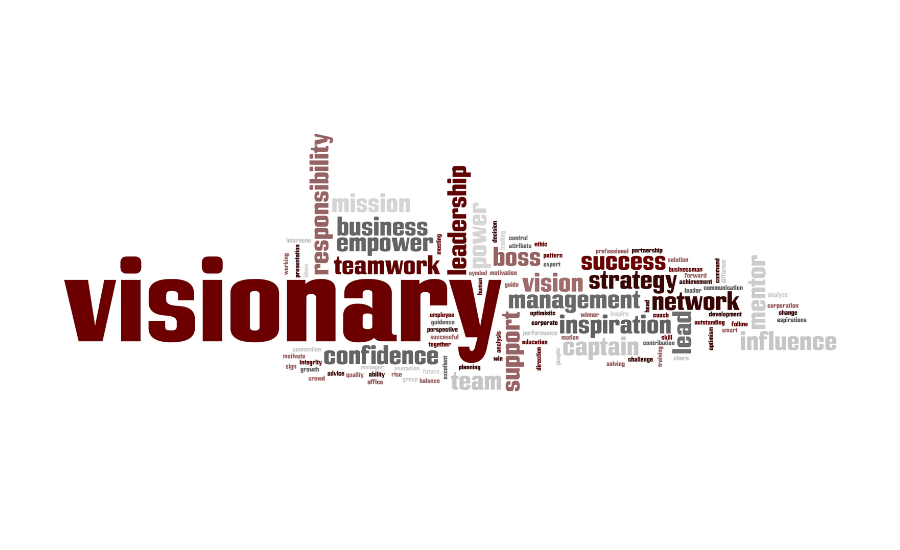
Visionary; Audience and Benefits

Visionary; Audience and Benefits

As a Visionary, your audience is anyone who needs to be inspired and led. This can be broken down into a few key groups:

    • Followers: These are the individuals who look to you for direction and purpose. They’re motivated by your vision and are the ones who will execute the plan.
    • Stakeholders: These are people with a vested interest in your project or organization, such as investors, partners, and clients. You need to clearly communicate your vision to them to gain their support and investment.
    • The Unconvinced: This group includes those who are skeptical or resistant to change. As a visionary, your role is to persuade the Unconvinced by presenting a compelling case for your vision and showing them the potential rewards.

The Benefits of Being a Visionary

Being a visionary offers significant benefits not just for you, but for all those you lead.

For Your Audience

    • Clarity and Purpose: You provide a clear direction, helping people understand what they’re working toward and why it matters. This clarity gives them a sense of purpose beyond their daily tasks.
    • Motivation and Inspiration: Your vision acts as a powerful motivator. It inspires people to overcome obstacles, take risks, and strive for excellence.
    • Unity: A shared vision brings people together. It aligns a team, an organization, or a community toward a common goal, fostering collaboration and a sense of belonging.
    • Growth and Opportunity: By focusing on what’s possible, you create opportunities for growth, innovation, and learning. This pushes your audience to develop new skills and reach their full potential.

For You

    • Influence: Your ability to articulate a compelling future gives you immense influence. You become a leader others want to follow, not because they have to, but because they believe in what you’re doing.
    • Impact: You have the power to create lasting change. A strong vision allows you to shape the future of a project, a company, or even an entire industry.
    • Resilience: A clear vision helps you stay focused and resilient during challenging times. It serves as your north star, guiding your decisions and helping you push through setbacks.
    • Legacy: A visionary leaves a legacy. Your ideas and the future you helped create will continue to impact others long after you’ve moved on.

In short, your role as a visionary is to paint a picture of a better future and then lead the way there. Who you choose to share that picture with and how you inspire them will ultimately determine the scope of your impact.

Image: Canva Pro

Promoting Your Business with Livestreaming

Business and marketing

Promoting a business with livestreaming is a powerful way to engage customers, build brand loyalty, and drive sales. By leveraging the real-time, interactive nature of live video, businesses can create authentic connections and dynamically showcase their products and services. Here are some key strategies and examples of how to effectively use livestreaming for business promotion:

1. Product Demonstrations and Launches

Instead of a static image or a pre-recorded video, livestreaming a product demonstration allows you to showcase a product’s features and benefits in real-time. You can answer questions from viewers as they come up, address potential concerns, and create a sense of excitement around a new product launch. This can lead to a significant increase in sales and customer engagement.

    • Example: A cosmetics brand could livestream a makeup tutorial using their new product line, with a makeup artist demonstrating how to apply the products and answering questions about shades and formulas.

2. Behind-the-Scenes Access

Giving customers a peek behind the curtain can humanize your brand and build trust. Livestreaming behind-the-scenes content shows the care and effort that goes into your products or services, making customers feel more connected to your business.

    • Example: A bakery could livestream the process of baking a new cake flavor, showing the ingredients, the steps involved, and the final product. This not only promotes the new item but also showcases the quality and craftsmanship behind their baked goods.

3. Live Q&A Sessions and Webinars

Hosting live Q&A sessions or webinars is a great way to establish your business as an authority in its industry. You can provide valuable information, answer customer questions, and directly address their needs. This builds credibility and trust, which can lead to long-term customer relationships.

    • Example: A financial planning firm could host a livestreamed Q&A session on “Budgeting for Beginners,” answering questions from viewers about saving, investing, and managing debt.

4. Collaborations and Interviews

Partnering with influencers, industry experts, or other businesses for a joint livestream can expose your brand to a new, broader audience. It also adds a layer of credibility and excitement to your content.

    • Example: A fitness apparel brand could collaborate with a popular fitness influencer to host a live workout session on Instagram, where the influencer showcases the brand’s new activewear while exercising.

5. Contests, Giveaways, and Flash Sales

Livestreaming is a perfect medium for creating urgency and excitement around contests, giveaways, or flash sales. The real-time nature of the event encourages viewers to stay engaged and participate immediately.

    • Example: An online retailer could host a livestreamed flash sale where they unveil a new discount code every 15 minutes. They could also announce a giveaway, requiring viewers to share the livestream or comment with a specific hashtag to enter.

Tips for Successful Business Livestreaming

    • Promote in Advance: Announce your livestream on all your social media channels and in your email newsletters to build anticipation and ensure a good turnout.
    • Engage with Viewers: Respond to comments, answer questions, and call out viewers by name. This makes the experience personal and interactive.
    • Have a Clear Call-to-Action: Whether you want viewers to visit your website, sign up for a newsletter, or make a purchase, make your call-to-action clear and easy to follow.
    • Test Your Equipment: Ensure your internet connection is stable, your lighting is good, and your audio is clear. A professional-looking livestream will reflect well on your brand.

Image: Canva Pro

Livestream Success: Creation and Promotion

Livestream Success: Creation and Promotion

Creating a successful livestream and promoting it effectively involves a strategic, multi-step process. A well-planned and executed livestream can significantly boost audience engagement, build community, and achieve specific marketing or business goals.

How to Create a Successful Livestream

A successful livestream isn’t just about going live; it’s about delivering a polished, valuable, and engaging experience. Here’s a breakdown of the key steps:

1. Plan with a Purpose

    • Define your goal: Before you do anything, decide what you want to accomplish. Are you aiming to increase brand awareness, generate leads, launch a product, or simply build a stronger community? Your goal will inform every other decision you make.
    • Choose your topic and format: Select a topic that provides value to your audience. Popular formats include Q&A sessions, how-to tutorials, interviews, behind-the-scenes content, or product demonstrations.
    • Know your audience: Understand who you’re speaking to. What are their interests, preferences, and what are their schedules like? This will help you determine the best time to go live and what kind of content will resonate with them.
    • Create an outline: While you should avoid a rigid script that can sound unnatural, a structured outline of key talking points will keep your broadcast organized and on track.

2. Prepare Your Technical Setup

    • Invest in quality equipment: While you can start with a smartphone, investing in a good camera, a quality microphone, and proper lighting will make your stream look and sound more professional. Clear audio is often more important than high-quality video for viewer retention.
    • Ensure a stable internet connection: A wired Ethernet connection is always preferable to Wi-Fi to prevent buffering or dropped streams. Ensure your upload speed is sufficient for high-quality video (at least 5 Mbps for HD streaming).
    • Choose the right platform: Select a platform that aligns with your audience and your goals, such as YouTube, Facebook, Twitch, or LinkedIn.
    • Conduct a practice run: Do a full rehearsal before the event. Test all your equipment, from the camera and microphone to your internet connection and streaming software. This is your chance to iron out any potential technical glitches.

3. Engage with Your Audience

    • Make it a conversation, not a monologue: The real value of a livestream is real-time interaction. Address your audience by name, respond to comments and questions, and make them feel like a part of the event.
    • Incorporate interactive elements: Use polls, Q&A sessions, and live chat features to encourage participation.
    • Have a clear call to action (CTA): Tell your viewers what you want them to do next. Whether it’s to subscribe to your channel, download a free guide, or visit your website, make the CTA clear and easy to follow.

How to Promote a Livestream

Promotion is crucial for building anticipation and ensuring people show up to your event.

1. Pre-Event Promotion

    • Schedule your livestream in advance: Most platforms allow you to schedule a livestream and get a shareable link. This is the first step in your promotion strategy.
    • Leverage all your channels: Don’t just rely on one platform. Announce your livestream on all your social media accounts (Instagram, X, Facebook, LinkedIn, etc.), in your email newsletter, and on your website.
    • Create compelling promotional content:

*Teaser videos: Post short, engaging clips on platforms like Instagram Reels or TikTok to generate excitement.

*Graphics and banners: Create eye-catching banners or cover images for your social media profiles to announce the event.

*Hashtags: Use a specific hashtag for your event to make it easy for people to find and follow the conversation.

    • Collaborate with others: If you have a guest speaker, ask them to promote the event to their audience as well. This can significantly expand your reach.
    • Encourage pre-registration: If possible, offer pre-registration or a “notify me” option. This can give you an idea of potential attendance and provides an opportunity to send reminders.

2. During the Livestream

    • Start with an engaging hook: Grab your viewers’ attention in the first few minutes to prevent them from leaving.
    • Remind viewers to share: Encourage your audience to share the livestream link with their networks.
    • Acknowledge viewers and comments: This real-time engagement is a form of promotion itself, as it makes people feel valued and encourages others to join the conversation.

3. Post-Livestream

    • Repurpose your content: The work doesn’t stop when the stream ends. Repurpose the live video into smaller, shareable clips for social media, a blog post, a podcast episode, or a highlight reel. This extends the life of your content and can drive new viewers to your channel.
    • Organize and optimize the archive: Most platforms will automatically save an archive of your livestream.  Make sure to edit the title, description, and tags to be search engine optimized (SEO) so people can easily find it later.
    • Analyze your performance: Review the analytics to see what worked well and what could be improved for next time. Look at peak viewership times, average watch time, and engagement metrics to refine your strategy.

Image: Canva Pro

What is Self-Care and Why is it Important

What is Self-Care and Why is it Important

Self-care is the conscious and deliberate practice of taking actions to promote and maintain one’s own physical, mental, emotional, social, and spiritual well-being. It’s not about being selfish, but rather about recognizing that you need to nurture yourself to be able to function effectively and show up for others.

It encompasses a wide range of activities, from basic needs like getting enough sleep, eating nutritious food, and practicing good hygiene, to more intentional actions like engaging in hobbies, spending time in nature, connecting with loved ones, setting boundaries, practicing mindfulness, or seeking professional support when needed.

Why is Self-Care Important?

Self-care is crucial for numerous reasons:

  • Prevents Burnout and Stress: In a demanding world that often glorifies constant productivity, self-care acts as a vital countermeasure against stress, overwhelm, and burnout. It allows you to recharge, replenish your energy, and maintain a healthy work-life balance.
  • Improves Mental and Emotional Health: Engaging in self-care practices can significantly reduce symptoms of anxiety and depression, improve mood, enhance emotional regulation, and foster a greater sense of peace and happiness. It helps you process emotions, build resilience, and develop a more positive outlook.
  • Boosts Physical Health: Adequate sleep, nutritious eating, and regular physical activity, all components of self-care, are fundamental to physical health. They can lower the risk of chronic diseases, boost your immune system, and increase overall energy levels.
  • Enhances Relationships: When you prioritize your own well-being, you become more grounded, present, and capable of engaging in healthier and more fulfilling relationships with others. You can give more genuinely when your own “cup” is full.
  • Increases Productivity and Focus: Taking breaks and engaging in restorative activities can actually improve your focus and productivity. Stepping away allows your mind to rest and return to tasks with renewed clarity and efficiency.
  • Promotes Self-Awareness and Self-Esteem: Self-care often involves reflecting on your needs and boundaries, which can lead to greater self-awareness. By consistently meeting your needs, you build self-esteem and confidence.
  • Long-Term Well-being: Regularly incorporating self-care into your life contributes to long-term health and a better quality of life. It’s an investment in your overall well-being that pays dividends over time.

In essence, self-care is about taking responsibility for your own well-being. It’s recognizing that you are worthy of care and that by nurturing yourself, you are better equipped to navigate life’s challenges and live a more fulfilling existence.

Image: Canva Pro

Summer Self-Care Plan Details

Summer Self-Care Plan Details

Here’s a self-care plan for the summer, incorporating your desired activities:

Summer Self-Care: Embrace Relaxation & Connection

This summer, prioritize your well-being by integrating your favorite activities into a balanced routine. Remember, self-care isn’t selfish; it’s essential for recharging your mind and body.

1. Swimming: Your Refreshing Escape

    • Schedule dedicated swim time: Whether it’s daily laps or a leisurely dip a few times a week, block out time in your calendar. Treat it like an important appointment.
    • Explore different locations: Try a local pool, a nearby lake, or even a community splash pad. Variety can keep it interesting.
    • Focus on the sensation: While swimming, pay attention to the cool water, the feeling of buoyancy, and your breath. This mindful approach can enhance relaxation.
    • Post-swim pampering: Have a cozy towel, a good book, or a refreshing drink ready for after your swim to extend the relaxation.

2. BBQ: Savoring Flavors & Company

    • Plan themed BBQs: From “Taco Tuesday on the Grill” to a “Seafood Saturday,” themed events can add excitement.
    • Experiment with new recipes: Try grilling different meats, vegetables, or even fruits. This can be a fun culinary adventure.
    • Delegate tasks: Don’t feel like you have to do everything yourself. Ask family and friends to bring a dish, help with setup, or assist with grilling.
    • Create a relaxed atmosphere: Put on some good music, set up comfortable seating, and let conversations flow naturally.
    • Enjoy leftovers: Plan for extra so you have easy, delicious meals for a day or two after the BBQ.

3. Socializing with Family & Friends: Nurturing Connections

    • Be intentional with invites: Reach out to people you genuinely want to spend time with. Quality over quantity.
    • Mix it up: Beyond BBQs, suggest other activities like picnics in the park, beach days, board game nights, or even just casual coffee dates.
    • Practice active listening: When you’re with loved ones, put away distractions and truly engage in conversations.
    • Set boundaries: While socializing is great, don’t overcommit. It’s okay to say no if you’re feeling overwhelmed or need some alone time.
    • Connect authentically: Focus on meaningful interactions rather than just surface-level conversations.

4. Getting Enough Rest: Recharging Your Batteries

    • Prioritize sleep schedule: Even though summer often brings later nights, try to maintain a consistent sleep schedule as much as possible.
    • Create a relaxing bedtime routine: This could include a warm bath, reading a book, listening to calming music, or light stretching.
    • Optimize your sleep environment: Keep your bedroom cool, dark, and quiet.
    • Limit screen time before bed: The blue light from phones and computers can disrupt sleep.
    • Nap strategically: If you’re feeling tired, a short 20-30 minute power nap can be incredibly refreshing without making you groggy.
    • Listen to your body: If you’re feeling rundown, don’t push yourself. Allow yourself to rest and recover.

General Summer Self-Care Tips:

    • Stay Hydrated: Drink plenty of water, especially when active or in the sun.
    • Sun Protection: Always use sunscreen, wear hats, and seek shade during peak sun hours.
    • Mindful Moments: Take a few minutes each day to simply be present, whether it’s enjoying a sunset, listening to birds, or savoring a cool drink.
    • Connect with Nature: Spend time outdoors beyond just swimming – go for walks, garden, or simply sit outside.
    • Be Flexible: Summer plans can be spontaneous! Be open to adjusting your schedule and embracing unexpected opportunities for joy and relaxation.

By intentionally weaving these activities into your summer, you’ll not only enjoy the season to its fullest but also emerge feeling refreshed, reconnected, and ready for whatever comes next.

Live Your Best Life: Setting Intentional Goals

Live Your Best Life: Setting Intentional Goals

Living your best life isn’t just a catchy phrase; it’s a deliberate pursuit that hinges on setting intentional goals. Without clear, purpose-driven objectives, even the most heartfelt aspirations can remain elusive. Intentional goal setting transforms vague desires into actionable roadmaps, providing direction, motivation, and a tangible way to measure progress toward the life you truly envision.

Why Intentional Goals Matter

Imagine trying to navigate to an unknown destination without a map or GPS. You might wander aimlessly, eventually getting somewhere, but likely not where you truly wanted to be. Intentional goals act as that precise navigation system for your life. They provide:

  • Clarity and Focus: Goals distill your broad desires into specific, understandable targets. This clarity helps you filter out distractions and focus your energy on what truly matters.
  • Motivation and Drive: A well-defined goal ignolds passion and provides a reason to push through challenges. When you know why you’re working toward something, you’re far more likely to persist.
  • Measurable Progress: Intentional goals allow you to track your journey. Seeing how far you’ve come is incredibly encouraging and helps you adjust your course if needed.
  • Empowerment: Taking control of your future by setting goals is an empowering act. It shifts you from being a passive observer to an proactive architect of your own life.

How to Set Intentional Goals

Setting effective goals goes beyond simple wishful thinking. It involves a structured approach that ensures your goals are meaningful and achievable.

1. Reflect on Your Values and Vision

Before setting any goals, take time for deep self-reflection.

    • What truly matters to you? Identify your core values (e.g., creativity, family, financial security, community impact, personal growth).
    • What does your “best life” look like? Envision it across different domains: career, relationships, health, personal development, finances, hobbies, etc. What experiences do you want to have? What kind of person do you want to become? Your goals should stem directly from this vision.

2. Make Your Goals SMART

The SMART framework is a widely used and highly effective method for goal setting:

    • Specific: Instead of “get fit,” aim for “run a 5K race.”
    • Measurable: How will you know if you’ve achieved it? “Save $5,000” is measurable; “save money” is not.
    • Achievable: While challenging, your goal should be realistic given your resources and abilities.
    • Relevant: Does this goal align with your values and overall vision for your best life?
    • Time-bound: Set a deadline. “By December 31st” provides urgency and a target.

3. Break Them Down

Large goals can feel overwhelming. Break them into smaller, manageable steps.

    • For example, if your goal is to “save $12,000 in one year,” break it down to “save $1,000 per month,” then “save $250 per week.” This makes the process less daunting and provides mini-victories along the way.

4. Create an Action Plan

Each mini-step needs a concrete action.

    • Identify the specific actions you need to take. “To save $250/week, I will pack my lunch, cancel one subscription, and work one extra shift per month.”
    • Schedule these actions in your calendar or to-do list.

5. Stay Flexible and Review Regularly

Life is dynamic. Your goals and the path to achieving them might need adjustments.

    • Regular Check-ins: Periodically review your progress. Are you on track? What’s working, what’s not?
    • Adjust as Needed: Don’t be afraid to modify goals or strategies based on new information, changed circumstances, or evolving priorities. Flexibility isn’t failure; it’s smart adaptation.
    • Celebrate Milestones: Acknowledge and celebrate your achievements along the way. This reinforces positive habits and keeps motivation high.

Setting intentional goals is an ongoing practice, not a one-time event. It’s the conscious act of charting your course and actively working towards the life you desire, ensuring that each step you take moves you closer to your “best life.”

What area of your life are you most excited to set intentional goals for?

Source:

Skip to content