What is a Visionary Roadmap?

What is a Visionary Roadmap?

A visionary roadmap is a high-level strategic document that bridges the gap between a bold, long-term aspiration and the tactical steps required to achieve it. Unlike traditional roadmaps, which often function as rigid project schedules or feature checklists, a visionary roadmap focuses on the “why” and the “outcomes” rather than just the “what” and the “when.”

Core Definition and Purpose

At its heart, a visionary roadmap acts as a North Star for an organization. It translates a company’s strategic vision—an inspiring image of a future state—into a navigable path. Its primary purpose is to maintain alignment across diverse teams, ensuring that daily execution consistently “moves the needle” toward a meaningful destination rather than getting lost in the weeds of incremental updates.

While a tactical roadmap might list specific software bugs to fix or small features to ship, a visionary roadmap outlines strategic initiatives and the major problems a company intends to solve over a multi-year horizon.

Key Components of a Visionary Roadmap

To be effective, this type of roadmap must integrate several layers of strategic thinking:

  1. The Vision: This is the ultimate goal. It should be aspirational and easy to communicate, such as “Becoming the leading platform for sustainable tech.”

  2. The Strategy: This defines the overarching approach to achieving the vision. It involves making choices about which markets to enter, which technologies to prioritize, and how to differentiate from competitors.

  3. Strategic Themes: Instead of features, visionary roadmaps are often organized around “themes” or “pillars.” These represent high-level areas of focus, such as “User Growth,” “System Scalability,” or “Market Expansion.”

  4. Milestones and Outcomes: Rather than hard deadlines, visionary roadmaps use milestones to mark the achievement of specific outcomes. For example, instead of saying “Release Version 2.0 on June 1st,” a visionary milestone might be “Achieve 99.9% platform reliability to support enterprise clients.”

Visionary vs. Traditional Roadmaps

The distinction between visionary and traditional roadmaps is fundamental to how an organization operates:

Feature Traditional Roadmap Visionary Roadmap
Focus Output (Features, fixes, tasks) Outcome (Goals, impact, value)
Flexibility Rigid; changes are seen as delays Adaptive; tactics change to meet the goal
Time Horizon Short-term (Weeks to months) Long-term (1–5 years)
Audience Development teams and project managers Executives, investors, and the whole company
Storytelling A list of “to-dos” A narrative of growth and transformation

Why It Matters for Organizations

A visionary roadmap provides several critical benefits that drive long-term success:

  • Stakeholder Buy-In: It is a powerful communication tool for securing investment or executive support. It shows that the leadership has a clear, well-thought-out plan for the future.

  • Empowerment and Autonomy: When teams understand the vision and the strategic themes, they are empowered to make their own tactical decisions. They don’t need to be told exactly what to build; they understand the problem they are trying to solve.

  • Prioritization: In a world of limited resources, a visionary roadmap provides the criteria for saying “no.” If a proposed project doesn’t align with the strategic pillars of the roadmap, it is deprioritized in favor of work that does.

  • Inspiration: It gives employees a sense of purpose and direction. Knowing that your daily work contributes to a transformative future goal is a significant driver of morale and retention.

Creating the Roadmap

Building a visionary roadmap starts with deep reflection on the market and the organization’s strengths. It requires leaders to look past the current fiscal quarter and imagine where the industry is heading. It is a living document that should be revisited regularly to ensure it still reflects the reality of the market while keeping the ultimate destination in sight.

Image: Canva Pro

Visionary Leadership: Strategy’s Role

Visionary Leadership: Strategy's Role

For a visionary leader, a strategic roadmap is the visual translation of an abstract dream into a concrete sequence of events. While the “vision” is the destination (e.g., “becoming the first company to colonize Mars”), the “strategic roadmap” is the high-level itinerary that tells the team what they are building this year, next year, and five years from now to get there.

1. The Anatomy of a Visionary Roadmap

Unlike a project plan (which lists daily tasks), a visionary roadmap focuses on themes, outcomes, and horizons.

Component Description Example (Vision: Zero-Carbon Transport)
Visionary Horizon The ultimate “North Star” destination. Global leader in emission-free mobility.
Strategic Themes Broad focus areas that organize effort. Battery Tech, Infrastructure, Consumer Design.
Milestones Major “flags” planted in the future. Prototype launch (Q4), 1st Charging Hub (Y2).
Initiatives High-level projects to reach milestones. Partnering with grid providers; R&D for solid-state batteries.
KPIs/Success Metrics Quantifiable proof of progress. 400-mile range; $50k price point; 10k units sold.

2. The “Horizon” Framework

Visionaries often use a Three-Horizon Model to ensure they aren’t just daydreaming about the future while ignoring the bills today:

  • Horizon 1: Maintain & Improve (Today). Maximizing the current business model to fund the future.

  • Horizon 2: High-Growth & Scaling (Tomorrow).  Bridging the gap by launching new ventures or pilot programs.

  • Horizon 3: Radical Innovation (The Vision). The long-term, disruptive ideas that will define the industry in 5–10 years.

3. How to Build One (The 4-Step Process)

To turn your vision into a roadmap, follow this flow:

  1. Work Backward: Start at the 10-year vision. Ask: “What must be true one year before we hit this goal?” Repeat this until you reach today. This is called Backcasting.

  2. Identify “Capabilities”: Don’t just list tasks; list what the company needs to become. Do you need to build a world-class AI team? Do you need a global supply chain?

  3. Group into Phases: Instead of hard dates (which kill creativity), use “Time Buckets”:

    • Now: (Current Quarter) High certainty, tactical execution.

    • Next: (6–12 Months) Planned initiatives, strategic shifts.

    • Later: (1–3 Years) Visionary bets, research-heavy goals.

  4. Define the “Rocks”: Identify 3–5 “Mission Critical” goals for the next 90 days that move the needle. If it doesn’t align with the roadmap, it’s a distraction.

4. Why Visionaries Need This

  • Clarity over Confusion: It prevents the team from feeling like the leader is “chasing shiny objects” by showing how today’s boring work leads to tomorrow’s revolution.

  • Resource Allocation: It provides a “No” to irrelevant opportunities. If a project doesn’t fit on the roadmap, it doesn’t get funding.

  • Investor & Stakeholder Buy-in: It proves to the world that you aren’t just a dreamer; you have a calculated plan to win.


Key takeaway: A roadmap is not a rigid contract; it is a living document. A visionary leader updates the roadmap as market conditions change, while keeping the “North Star” vision constant.

Would you like me to help you brainstorm the “Strategic Themes” or the “90-day Rocks” for your specific vision?

Visionary Mindset: Long-Term Goals

Visionary Mindset: Long-Term Goals

The Visionary Mindset: Anticipating and Shaping the Future

The visionary mindset is a cognitive framework defined by its relentless focus on long-term goals and ideal future states. It transcends simply setting objectives; it is a way of perceiving the world not as it is, but as it could and should be. This perspective is the engine of true innovation, driving breakthroughs that often challenge the status quo and lead entire industries in new directions, as exemplified by figures like Elon Musk or Steve Jobs.

Core Pillars of Visionary Thinking

A visionary approach is built upon several interconnected characteristics:

  1. Future-Oriented Strategic Foresight: Visionaries possess an uncanny ability to read current trends, anticipate disruptions, and look far beyond the immediate horizon. They don’t just react to change; they aim to proactively shape the future. This involves setting audacious, long-term goals that give a clear, inspiring direction (the “what”) while often leaving the “how” open for their teams to innovate.

  2. Unwavering Creativity and Boldness: The visionary is not constrained by conventional thinking. They embrace imagination and innovation, viewing problems as opportunities to create entirely new, non-existent solutions. This requires boldness and strategic risk-taking. They understand that significant growth often lies outside the comfort zone and are willing to weather uncertainty for the sake of their ultimate destination.

  3. Resilience and a Growth Mindset: The path to an ideal future is never straight. Visionaries are characterized by profound resilience, viewing setbacks not as failures, but as essential learning data. They operate with a growth mindset, believing that abilities and intelligence can be developed, allowing them to adapt, incorporate new information, and pivot their strategies without losing sight of the core vision.

  4. Inspirational Communication and Empathy: A vision is powerless unless it is shared. The most crucial skill of a visionary is their ability to communicate the ideal future with such clarity, passion, and emotional intelligence that it inspires deep commitment from others. By tapping into the team’s emotions and aligning individual purpose with the grand goal, they unify people toward a shared mission, turning their abstract dream into a tangible, collective pursuit.

    Impact and Application

Cultivating a visionary mindset leads to transformative results: increased innovation, long-term sustainability, and higher team engagement. It provides the “North Star” that guides daily decisions, ensuring that every short-term action contributes meaningfully to the colossal long-term goal. It transforms an organization from one that simply manages operations into one that actively redefines its own landscape.

Would you like to explore some famous examples of companies or leaders who demonstrate this visionary mindset?

What Will It Take For You to Live Your Best Life

Living Your Best Live

To live one’s “best life” is to find a harmonious balance among many factors.

Here is a breakdown of the importance of each factor, informed by psychological research on well-being and life satisfaction:

1. The Physical Foundation: Health, Sleep, and Food

The physical necessities—Health, Sleep, and Food—are the non-negotiable foundations for all other pursuits. Without them, the ability to enjoy or even work toward the other goals is severely compromised.

  • Health and Sleep: The First Priority: Research unequivocally shows that health is directly tied to happiness ratings. Specifically, quality sleep is recognized as one of the three pillars of health (along with nutrition and exercise). Sleep deprivation is linked to a higher risk of heart disease, diabetes, obesity, and impaired brain functions like memory and emotional control. Therefore, prioritizing quality sleep directly secures long-term health, which is the platform for a long, best life.

  • Food: While essential for survival and energy, in a context of abundance, food also serves a deeply social and pleasurable role. It is the fuel, but its significance is secondary to the restorative function of sleep and overall physical health.

2. The Relationship Core: Happy Children

Happy Children represents the human need for strong, positive, and supportive relationships. Psychological studies consistently identify strong relationships (family, spouse, friends) as one of the most significant determinants of subjective well-being and happiness across all ages, income, and cultures.

  • Relationships provide emotional support, a context for identity, and a profound sense of purpose that transcends the self. The happiness of one’s children (and the relationship with them) often symbolizes success in this vital domain of connection and legacy.

3. The Psychological Need: Feeling of Importance (Purpose)

The feeling of importance is the human need for Meaning and Purpose, which psychologists often distinguish from fleeting happiness (hedonia).

  • This “feeling of importance” comes from intrinsic motivation—an internal drive to do something because the activity itself is personally meaningful and satisfying, rather than relying on external rewards (like acclaim or simple money).

  • Viktor Frankl, a prominent psychologist, noted that those who have a “why” to live can bear almost any “how.” A sense of purpose—serving something larger than oneself or contributing productively to the world—is crucial for long-term self-esteem, resilience, and a deep, lasting life satisfaction.

4. The Practical Enabler: Money

Money is a powerful enabler, not an end goal for the best life.

  • Financial security provides the control and freedom necessary to pursue the foundational priorities. It alleviates chronic stress, allows access to better healthcare, provides quality education for children, and frees up time to focus on purpose and relationships.

  • However, research indicates that once basic needs are met and income rises above the poverty line, increasing amounts of money have diminishing returns on happiness. Its true value lies in how it is used to support health, time, and relationships.

5. The Existential Context: Life in the Hereafter

The Life in the Hereafter (often tied to faith and spirituality) provides the ultimate meaning and hope for many.

  • For those with such beliefs, this framework provides a system of meaning, hope for the future, and a way to cope with suffering, loss, and the inevitable anxiety of mortality. Studies have shown a significant inverse relationship between a strong belief in the afterlife and the severity of certain psychiatric symptoms, including anxiety and depression, particularly when facing major loss.

  • It gives context to the earthly life—the “best life” here becomes one lived in accordance with values that lead to the best life later.

Conclusion

A “best life” is not achieved by maximizing any single factor, but by understanding their hierarchy. Health (including sleep) provides the essential energy and time. Relationships (happy children) provide the deep well of contentment and support. Purpose (feeling of importance) provides direction and resilience. Money is the tool that secures the foundation and provides options. And Beliefs (life in the hereafter) provide the overarching context and peace.

The best life is a cultivated balance, where physical well-being allows for meaningful contributions, which are shared with loved ones, all while living in accordance with one’s deepest values.

Image: Canva Pro

Is Imagination More Important than Knowledge

Is imagination really more important than knowledge
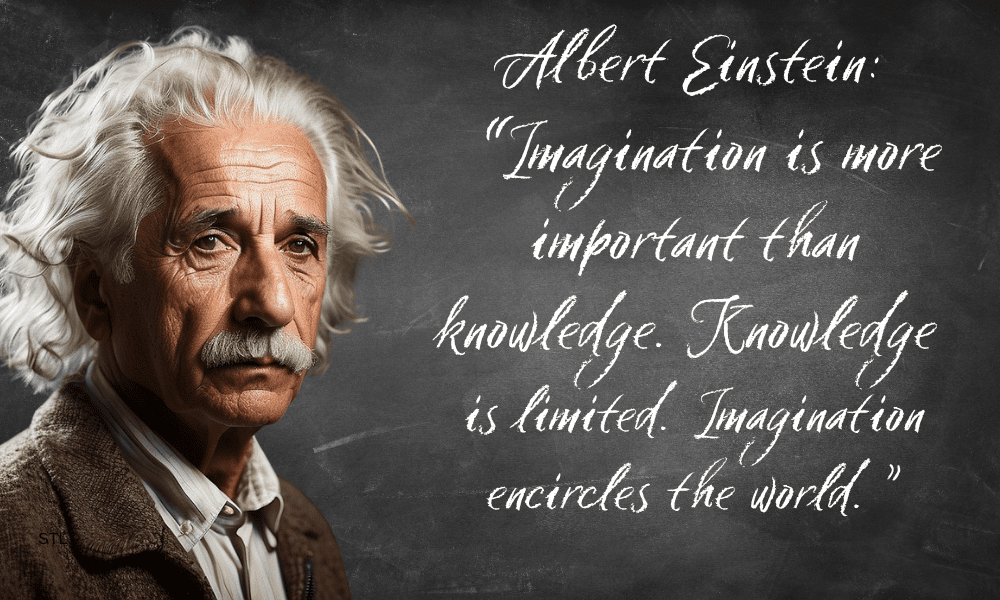
Imagination is often considered more important than knowledge because knowledge is limited to what is already known and understood, while imagination is boundless, encompassing possibilities yet to be discovered and created.

SMART Goal Setting: The Blueprint for Success

SMART Goal Setting: The Blueprint for Success

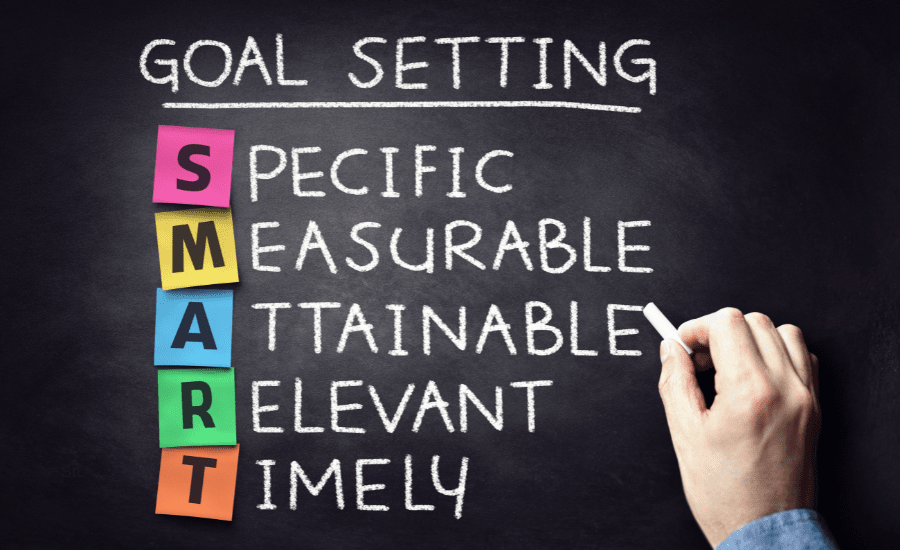
We all have wishes—dreams of professional success, improved health, or academic achievement. However, a wish is a fleeting thought, while a goal is a committed plan. An effective methodology bridges the space between hoping for success and actually achieving it, and the most widely recognized and potent tool for this transition is the SMART framework. By ensuring every goal is Specific, Measurable, Achievable, Relevant, and Time-bound, individuals and organizations transform vague intentions into concrete, actionable steps. This system provides the clarity, focus, and motivation necessary to consistently track progress and, ultimately, ensure successful outcomes, converting abstract desires into attainable realities.

The first essential step in the framework is making goals Specific. A general statement like “I want to do better in math class” is nearly useless because it lacks direction. To make it specific, the goal must answer the “Five Ws”: Who is involved, What exactly needs to be accomplished, Where will this take place, When will it happen, and Why is this the objective? For instance, the vague wish becomes the specific goal: “I will dedicate 30 minutes every weekday evening after dinner (Where/When) to practicing trigonometry problems (What) in order to raise my test scores by 10% (Why).” Specificity removes ambiguity, allowing focus to be applied directly to the task at hand.

Next, a goal must be Measurable. Measurement answers the question, “How will I know when the goal is accomplished?” Without a quantifiable metric, progress cannot be tracked, and the goal remains subjective. Metrics might involve numbers, dates, frequency, or percentages. A measurable goal provides milestones and tangible evidence of achievement, serving as a powerful motivator. If a student’s goal is to improve their vocabulary, a measurable target is: “I will learn ten new SAT vocabulary words every week.” This provides a clear target to hit weekly, and success is defined by the number of words mastered, not just the feeling of having “studied hard.”

A crucial component is ensuring the goal is Achievable, often also called Attainable. While it is beneficial to set challenging goals, they must remain grounded in reality. An unachievable goal—such as a novice runner planning to complete a marathon next week—is not inspiring; it is demotivating and a recipe for burnout. The Attainability filter requires an honest assessment of available resources, skills, and time. An achievable goal is one that stretches your current capacity but is still logically possible given reasonable effort and planning. It encourages continuous development without fostering undue stress or failure.

The fourth element is Relevant. This step ensures that the short-term goal aligns directly with broader, long-term objectives and personal values. A goal may be specific and measurable, but if it is irrelevant to the overall mission, it represents a wasted effort. For example, spending hours learning to play the ukulele might be irrelevant if the ultimate goal is to get into a top engineering program. When a goal is relevant, it means the effort invested contributes directly to the larger vision, reinforcing motivation and purpose. This provides a strategic filter, helping prioritize the most important tasks over merely urgent ones.

Finally, every effective goal must be Time-bound. A goal without a deadline is merely procrastination with a pleasant title. Establishing a target completion date creates a sense of necessary urgency, preventing the task from drifting indefinitely. The deadline serves as the final accountability check and a concrete finish line. For a student planning to revise their college application essay, the goal would include: “The final draft of my personal statement will be submitted to my counselor for review by Friday, November 15th.” The time constraint forces the goal-setter to structure their effort and manage their time effectively, ensuring momentum is maintained.

In summary, the SMART framework is more than just an acronym; it is a discipline that forces clarity in the planning process. By rigorously applying Specificity, Measurability, Attainability, Relevance, and Time-boundedness to every ambition, we move past wishful thinking and establish a solid, trackable blueprint for success. This systematic approach is the foundation upon which effective planning, execution, and meaningful achievement are built, allowing individuals to consistently accomplish what they set out to do.

What is an Influencer?

What is an Influencer?

An influencer is an individual who has built a significant following and credibility in a specific niche or industry. They use their authority, knowledge, or relationship with their audience to shape opinions, behaviors, and purchasing decisions.

What an influencer does can be broken down into several key activities:

    • Content Creation: They regularly produce engaging and high-quality content, such as photos, videos, tutorials, reviews, or blog posts, that resonates with their audience.
    • Building Community: Influencers actively engage with their followers by responding to comments, messages, and questions. They foster a sense of community by creating conversations and interacting with their audience, which builds trust and loyalty.
    • Brand Collaborations: A primary source of income for many influencers is partnering with brands. They promote products or services that align with their niche and audience through sponsored content, product reviews, giveaways, or by becoming a brand ambassador.
    • Driving Trends: Influencers are often trendsetters within their field. They stay up-to-date on industry trends and share their unique perspectives, introducing new ideas, products, and styles to their followers.
    • Professional and Business Management: Influencers often manage their personal brand as a business. This involves negotiating contracts, tracking content performance, and handling administrative tasks.
    • Disclosure and Transparency: Ethical influencers are required to clearly disclose any paid partnerships or sponsored content to maintain the trust of their audience, in line with regulations from organizations like the U.S. Federal Trade Commission.

The term “influencer” can encompass a wide range of people, from celebrities with millions of followers to “micro-influencers” who have a smaller but highly engaged audience in a very specific niche. Their value lies not just in their follower count, but in the trust and strong connection they have built with their community.

Image: Canva Pro

How Visionaries Think Big

Think Big

A visionary doesn’t just think big; they think differently. They move beyond the constraints of the present and look at the world as a blank canvas of possibility. This isn’t just about having a good idea; it’s a comprehensive mindset that involves a few key characteristics.

They see the future before it happens.

A visionary’s mind is a time machine. They don’t just react to current trends; they anticipate them. By constantly observing their industry and the world around them, they look for patterns and connections that others miss. They see an opportunity for change or a solution to a problem that doesn’t exist yet. For example, before the internet was a household staple, Jeff Bezos saw an opportunity in online retail and founded Amazon. He saw what was coming, not just what was currently happening.

They set audacious goals.

Visionaries aren’t content with incremental improvements. They set big, bold goals that challenge the status quo and inspire others to get on board. These aren’t just pie-in-the-sky dreams; they are carefully considered goals that, while ambitious, still feel attainable. They understand that a compelling vision gives people a purpose and a sense of urgency, driving them to work toward a common goal.

They are exceptional communicators.

A big idea is useless if no one understands it. Visionaries are master storytellers who can articulate their vision in a way that captures the hearts and minds of their team, investors, and customers. They don’t just share information; they create a compelling picture of a better future that motivates people to act. They use their charisma and communication skills to inspire a sense of ownership and commitment in everyone involved.

They are risk-takers and are resilient.

The path of a visionary is rarely smooth. To truly think big, they must be willing to take calculated risks and step outside their comfort zones. They understand that failure is not an ending but a learning opportunity. When setbacks occur, they don’t give up. Instead, they adapt their strategies and lead their teams through periods of uncertainty, using their resilience to stay focused on the long-term goal. They lead from the front, taking responsibility for failures and empowering others to take action.

Image: Canva Pro

Cultivating a Visionary’s Strategic Mind

Cultivate a Visionary's Strategic Mind

Developing a visionary and strategic mind is about more than just being a good planner. It’s a combination of creative foresight and grounded, intentional action. It involves shifting your perspective from the day-to-day to the long-term, and from “what is” to “what could be.”

Here’s a breakdown of how to cultivate this powerful mindset:

1. Cultivate a Futurist’s Mindset (The “Visionary” Part)

A visionary mind isn’t about predicting the future with 100% accuracy; it’s about anticipating possibilities and preparing for a range of scenarios.

    • Think in “What If” and “Why Not” questions: Challenge the status quo and your own assumptions. Instead of just reacting to a problem, ask, “What if we completely reimagined how this works?” or “Why haven’t we tried doing it this way before?”
    • Practice “Signal Hunting”: Pay attention to small, emerging trends at the “margins of society.” These could be new technologies, a shift in consumer behavior, or a novel business model. By spotting these “signals” before they become mainstream, you can identify potential disruptions and opportunities.
    • Look for Patterns: Study history and look for recurring patterns. As the saying goes, “history doesn’t repeat itself, but it often rhymes.” Understanding the larger forces and cycles that have shaped the past can help you anticipate how they might influence the future.
    • Embrace Uncertainty and Complexity: The future is not a straight line. Instead of seeking a single, perfect future, think in terms of a “cone of possibilities.” Be comfortable with ambiguity and recognize that there are many different scenarios that could unfold.

2. Sharpen Your Strategic Thinking Skills (The “Strategic” Part)

A visionary idea is just a dream without a solid strategy to bring it to life. This is where you connect your big picture thinking with actionable steps.

    • Move Beyond the Day-to-Day: Make dedicated time for “thinking” instead of just “doing.” Step back from the operational details to get a “bird’s-eye view” of your work, your team, and your organization.
    • Ask Strategic Questions: Move away from simple “what” and “when” questions and focus on the “why” and “how.” Ask questions like:
      1. “Why is this issue significant, and what is its long-term impact?”
      2. “How does my contribution fit into the big picture?”
      3. “Where will our growth come from in the next five years?”
    • Adopt Systems Thinking: Recognize that everything is interconnected. An action in one area of a system (e.g., your team, your company, your industry) will have ripple effects elsewhere. Strategic thinkers understand how to pull the right levers to create the desired outcomes across the entire system.
    • Consider Opposing Ideas: Challenge your own hypotheses by playing devil’s advocate. Rigorously test your assumptions and welcome dissenting opinions. This helps you identify weaknesses in your plans and ensures you’re not overlooking a better possibility.

3. Take Action to Develop Your Mind

A mindset is not just a way of thinking; it’s a set of habits. You have to actively train yourself.

    • Seek Diverse Perspectives: Actively seek out people with different backgrounds, expertise, and viewpoints. Their insights can expose you to blind spots and help you see things from a new angle.
    • Read Widely and Continuously Learn: Go beyond your industry’s trade publications. Read books on history, science, technology, and philosophy. Stay curious and be a continuous learner.
    • Practice Scenario Planning: Conduct exercises where you imagine different future scenarios and brainstorm how you would respond to each one. This could be as simple as a “What if X happens?” discussion with a colleague.
    • Reflect Regularly: After a major decision or project, take time to reflect. Ask: “What worked? What didn’t? What did I learn?” This intentional reflection turns your experiences into valuable lessons that build your strategic intuition over time.

Image: Canva Pro

Visionary; Audience and Benefits

Visionary; Audience and Benefits

As a Visionary, your audience is anyone who needs to be inspired and led. This can be broken down into a few key groups:

    • Followers: These are the individuals who look to you for direction and purpose. They’re motivated by your vision and are the ones who will execute the plan.
    • Stakeholders: These are people with a vested interest in your project or organization, such as investors, partners, and clients. You need to clearly communicate your vision to them to gain their support and investment.
    • The Unconvinced: This group includes those who are skeptical or resistant to change. As a visionary, your role is to persuade the Unconvinced by presenting a compelling case for your vision and showing them the potential rewards.

The Benefits of Being a Visionary

Being a visionary offers significant benefits not just for you, but for all those you lead.

For Your Audience

    • Clarity and Purpose: You provide a clear direction, helping people understand what they’re working toward and why it matters. This clarity gives them a sense of purpose beyond their daily tasks.
    • Motivation and Inspiration: Your vision acts as a powerful motivator. It inspires people to overcome obstacles, take risks, and strive for excellence.
    • Unity: A shared vision brings people together. It aligns a team, an organization, or a community toward a common goal, fostering collaboration and a sense of belonging.
    • Growth and Opportunity: By focusing on what’s possible, you create opportunities for growth, innovation, and learning. This pushes your audience to develop new skills and reach their full potential.

For You

    • Influence: Your ability to articulate a compelling future gives you immense influence. You become a leader others want to follow, not because they have to, but because they believe in what you’re doing.
    • Impact: You have the power to create lasting change. A strong vision allows you to shape the future of a project, a company, or even an entire industry.
    • Resilience: A clear vision helps you stay focused and resilient during challenging times. It serves as your north star, guiding your decisions and helping you push through setbacks.
    • Legacy: A visionary leaves a legacy. Your ideas and the future you helped create will continue to impact others long after you’ve moved on.

In short, your role as a visionary is to paint a picture of a better future and then lead the way there. Who you choose to share that picture with and how you inspire them will ultimately determine the scope of your impact.

Image: Canva Pro

Skip to content