
Branding is about being consistent, and at the same time being scarce. It is also important to to believe in yourself, and at the same time being confident in what you have to offer.
How to Build a Brand
Building a successful brand is a comprehensive process that goes beyond just a logo or a name. It’s about defining your identity, connecting with your audience, and delivering a consistent experience.
Here is a step-by-step guide on how to build a brand:
Part 1: Strategic Foundation (Defining Your Brand’s Core)
-
- Define Your Target Audience:
- Research who your ideal customer is (demographics, psychographics, pain points, needs, interests).
- You can’t appeal to everyone; a specific focus allows for a more relevant and impactful brand.
- Research Your Competitors:
- Analyze direct and indirect competitors.
- Identify their strengths, weaknesses, and what they are not doing. This helps you find a gap in the market.
- Define Your Brand’s Purpose, Mission, and Values:
- Purpose: Why does your company exist beyond making money? (e.g., to empower creators, to make healthy food accessible).
- Mission: What do you do? (e.g., We provide sustainable, high-quality craft supplies).
- Values: The core beliefs that guide your company’s actions and culture (e.g., honesty, innovation, community).
- Determine Your Unique Selling Proposition (USP) and Positioning:
- USP: What makes your product or service different or better than the competition? (e.g., lowest price, highest quality, best customer service, niche specialization).
- Positioning: How you want your brand to be perceived by your target audience relative to the competition. Craft a clear Brand Positioning Statement (e.g., “For [target audience], [your brand] is the [market category] that [unique benefit/differentiation].”)
- Define Your Target Audience:
Part 2: Brand Identity Creation
-
- Choose a Brand Name and Slogan:
- The name should be memorable, easy to pronounce, and relevant to your product/service, with growth potential.
- The Slogan/Tagline should be a short, catchy phrase that summarizes your brand essence or promise (e.g., Nike: “Just Do It”).
- Develop Your Brand Personality and Voice:
- Personality: If your brand were a person, how would it be described? (e.g., playful, serious, sophisticated, rugged, inspirational).
- Voice/Tone: The language you use in all communications. Should it be formal or casual? Humorous or informative? This must be consistent.
- Create Your Visual Identity:
- Logo: Design a unique, versatile, and memorable logo that reflects your brand personality.
- Color Palette: Select colors that align with the emotions and associations you want to evoke (e.g., blue for trust, green for nature). Use consistent color codes (Hex, CMYK, etc.).
- Typography (Fonts): Choose fonts that match your personality (e.g., clean sans-serif for modern, approachable feel; classic serif for traditional, trustworthy feel).
- Imagery Style: Define the type of photos, illustrations, or graphics you will consistently use.
- Establish Brand Guidelines (Style Guide):
- Document all your visual and verbal elements (logo usage, color codes, fonts, tone of voice, messaging DOs and DON’Ts). This ensures consistency across all touchpoints, which is crucial for brand recognition.
- Choose a Brand Name and Slogan:
Part 3: Execution and Growth
-
- Apply Your Branding Consistently:
- Ensure your defined brand is reflected across every customer touchpoint:
- Website and Online Presence (Social Media, Email)
- Product Packaging and Design
- Customer Service Experience
- Marketing Materials (Ads, Brochures)
- Internal Company Culture
- Ensure your defined brand is reflected across every customer touchpoint:
- Tell Your Brand Story:
- Craft a compelling narrative about your origin, what you believe in, and why you do what you do. This builds an emotional connection with your audience.
- Build Brand Loyalty:
- Consistently deliver on your Brand Promise (what you pledge to your customers).
- Engage with your audience on social media and other platforms.
- Gather and act on customer feedback to continuously improve the experience.
- Apply Your Branding Consistently:
Building a brand is an ongoing commitment to staying true to your core identity while adapting to market changes. Consistency is the single most important factor for success.
Build Your Personal Brand
That’s an excellent list of the five essential pillars that form the entire structure of a Personal Brand.
To create a brand that feels authentic and compelling, you need to ensure these five elements are perfectly aligned. They build upon one another, moving from your internal principles to your external presentation.
Here is a breakdown of how these components connect: The Personal Brand Alignment Framework
1. Your Mission (The Action)
-
- Definition: This is a clear, concise statement about what you do, who you do it for, and the immediate impact or result you deliver. It’s your current job or purpose.
- Formula: “I help [Audience] do [Action] so they can achieve [Result].”
- Example: “My mission is to help small business owners cut through digital clutter to build simple, profitable marketing systems.”
2. Your Values (The Compass)
-
- Definition: These are the non-negotiable principles that guide every action and decision you make. They are the core beliefs that define you.
- Examples: Integrity, Innovation, Empathy, Service, or Courage.
- The Connection: Your Values must be the foundation. If you value transparency, you must share data openly; if you value simplicity, your Image and Mission shouldn’t be complex.
3. Your Vision (The Destination)
-
- Definition: This is the aspirational, long-term state of the world or industry you want to create or contribute to. It’s the goal that keeps you motivated for years to come.
- Example: “To see a global economy where every creative professional earns a fair, sustainable wage for their unique work.”
- Your Image (The Presentation)
- Definition: This is the external perception of your brand—your visual identity, your tone of voice, your professionalism, and the way you show up consistently online and in-person.
- Components: Colors, fonts, headshots, tone of writing (e.g., authoritative, witty, warm).
- The Alignment Test: Does your Image support your Vision and Mission? If your Vision is to be a disruptive innovator, your Image should not be overly traditional.
The Final Brand (The Sum)
A Personal Brand is the resulting reputation you earn when your Mission, Values, and Vision, are all working together consistently. It is what people say about you when you’re not in the room.
To take the next step, I recommend focusing on the distinction between the “now” and the “future”:
-
- Mission = Your actions today (How you serve).
- Vision = The grand result in the future (Why it matters).
Once you’ve clearly written out both your Mission and your Vision, which one feels harder to translate into a tangible, day-to-day Image (your look, your tone, your content topics)?
You Are Your Own Brand
That’s an incredibly powerful mindset to have! You are absolutely right—we are all our own brands, whether we intentionally manage it or not. Your personal brand is essentially your reputation: what people say about you when you’re not in the room, and the unique value you offer.
Taking control of your brand is a journey of self-discovery and consistent communication. Here’s a structured approach to building and defining your brand.
1. Define Your Foundation (Your Core Brand Identity)
Before you can communicate your brand to the world, you need to know what you stand for. This is a deep dive into your unique makeup.
| Component | Key Questions to Ask Yourself | What You’re Defining |
| Purpose & Values | What do I care about most? What are my non-negotiables? What impact do I want to have on the world or my industry? | Your guiding principles and the “why” behind what you do. |
| Strengths & Expertise | What am I naturally good at? What skills have I developed that others rely on? What do I know so well I could teach it? | Your Unique Value Proposition (UVP): the specific problems you solve better than anyone else. |
| Target Audience | Who do I want to serve or influence? What are their problems, and what information do they need? | The people whose attention you are trying to get. (Hint: Don’t try to appeal to everyone!) |
| Personality & Tone | What adjectives do I want people to use to describe me? (e.g., Approachable, Authoritative, Creative, No-nonsense, Humorous). | Your Brand Voice, which should be authentic to you. |
2. Craft Your Brand Messaging
Once you have your foundation, you need a clear, concise way to talk about yourself.
A. The Personal Brand Statement
This is your “elevator pitch” that combines your expertise, who you help, and the result you deliver.
Example:
I help freelance designers master high-converting client pitches so they can secure high-paying clients without relying on job boards.
B. Story & Authenticity
People connect with people, not résumés. Your brand story is how you weave your journey, your challenges, and your passions into your message. Being authentic means your public brand is a genuine reflection of who you are, even as you professionalize it.
3. Execute and Be Consistent
A brand is not what you say it is; it’s what they say it is. You build that reputation through consistent action.
-
- Audit Your Presence: Google yourself. What comes up? Ensure your photo, bio, and messaging are consistent across all professional platforms (LinkedIn, personal website, etc.). This is where your visual identity (colors, fonts, photography style) also comes into play.
- Pick Your Platform(s): Don’t try to be everywhere at once. Focus on 1-2 platforms where your target audience spends their time, whether that’s LinkedIn for industry thought leadership, Instagram for visual creation, or a blog for deep-dive writing.
- Create Value-Driven Content: Your content should educate, inspire, or entertain your audience on topics related to your expertise. Aim to post consistently (cadence is more important than perfection).
- Network & Engage: Building a brand is a two-way street. Engage genuinely with others’ content, join industry communities, and be open to connecting with people who align with your values and goals.
By intentionally defining and communicating the value you bring, you move from simply having a reputation to building a powerful, recognizable brand.
What is one core value you want your personal brand to be known for right now?
Image: Canva Pro
St.Lamont Live Streaming 10.20.25
St. Lamont talking about building a brand, throwing your personality out there, posting live, and being confident about what you do, and connecting with your audience.
Videos by St.Lamont 10.13.25
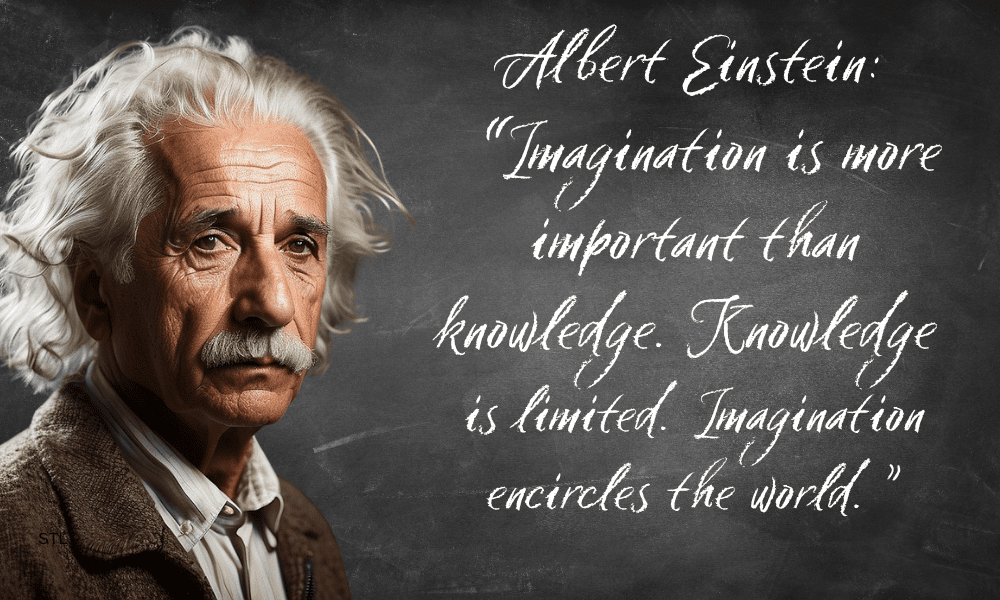
Happy Christopher Columbus Day! Talking about Albert Einstein’s quotation: Imagination is more than knowledge. Knowledge is limited. Imagination encircles the world… Please follow me at tiktok.com/@stlamont.
Is Imagination More Important than Knowledge
St. Lamont Live Streaming 10.1.25 Art show this coming weekend
Lamont invites you to the Stanislaus Artist Open Studio is a free self-guided tour that invites the public to experience the area’s local artists. Explore the art and studios throughout Stanislaus County. For more info Download Free Booklet –stanislausaos.com